When it comes to designing a heating, ventilation, and air conditioning (HVAC) system for a building, one of the key considerations is how to distribute the conditioned air throughout the space efficiently and effectively. One popular method for achieving this is through the use of suspended ducting.
suspended ducting refers to a system of ducts that are hung from the ceiling or attached to the walls of a space, rather than being installed in the walls or the floor. This method of ducting offers several advantages over traditional ducting systems, making it a popular choice for many HVAC designers and installers.
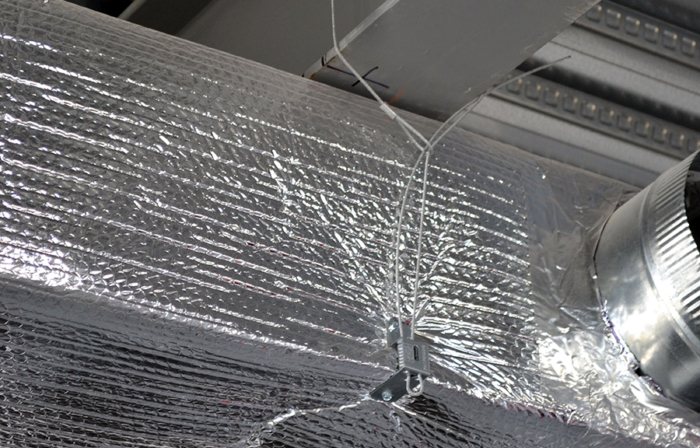
One of the main advantages of using suspended ducting is its flexibility. Because the ducts are not constrained by the walls or floor of a space, they can be routed in a way that is most efficient for the specific layout of the building. This means that HVAC designers have more freedom to design a system that will provide even and consistent airflow throughout the entire space, without the limitations imposed by the building’s structure.
Another benefit of suspended ducting is its ease of installation. Since the ducts are not being installed within the walls or floors of the building, there is less disruption to the existing structure during the installation process. This can result in significant cost savings and shorter installation times, making suspended ducting an attractive option for both new construction projects and retrofits of existing buildings.
In addition to being easy to install, suspended ducting is also easier to access for maintenance and repairs. If a duct becomes damaged or needs to be cleaned, it is much simpler to reach when it is suspended from the ceiling rather than hidden behind walls or under floors. This can help to extend the life of the HVAC system and ensure that it continues to operate efficiently for years to come.
Furthermore, suspended ducting can contribute to a more aesthetically pleasing environment. By eliminating the need for unsightly ductwork running along the floors or walls, the overall appearance of the space can be enhanced. This can be especially important in commercial settings where appearances matter and can impact the perception of the business by visitors and clients.
Another advantage of using suspended ducting is its ability to improve indoor air quality. Because the ducts are not installed within the building’s structure, there is less risk of contaminants such as mold, dust, and allergens building up within the ductwork. This can help to create a healthier indoor environment for building occupants and reduce the risk of respiratory issues associated with poor indoor air quality.
In conclusion, suspended ducting offers a number of advantages over traditional ducting systems. From its flexibility and ease of installation to its accessibility for maintenance and repairs, this innovative approach to HVAC ducting can provide a range of benefits for building owners and occupants alike. By choosing suspended ducting for your next HVAC project, you can enjoy improved airflow, enhanced aesthetics, and a healthier indoor environment.