Earthquakes are a natural disaster that can cause significant damage to buildings and infrastructure. In regions prone to seismic activity, it is essential to have proper measures in place to protect buildings from these powerful forces of nature. One such measure is the use of seismic braces, which are structural elements designed to help buildings withstand the forces generated by an earthquake.
seismic braces, also known as seismic bracing systems or seismic restraints, are devices installed in buildings to provide additional support and stability during an earthquake. These braces work by transferring the lateral forces generated by an earthquake away from the building’s structure, reducing the risk of collapse or damage. They are typically made of steel or other strong materials and are strategically placed throughout the building to provide maximum support.
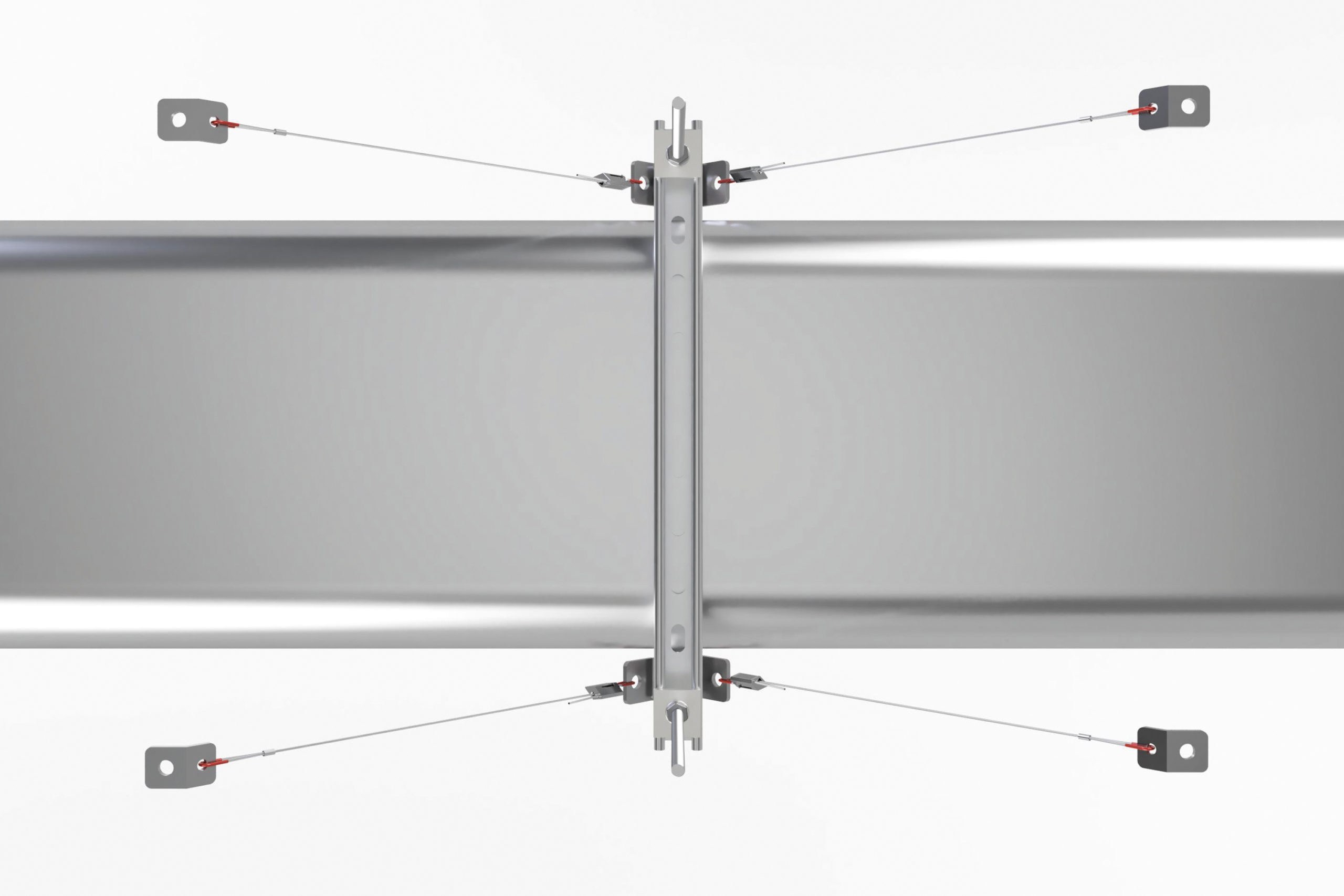
The importance of seismic braces in protecting buildings from earthquakes cannot be overstated. In the event of an earthquake, buildings are subjected to a variety of forces, including lateral forces that can cause them to sway and shake. Without proper support, buildings can suffer structural damage, leading to potential collapse and loss of life.
seismic braces help to prevent this by providing additional support and stability to the building’s structure. By absorbing and dissipating the forces generated by an earthquake, seismic braces can help reduce the strain on the building, increasing its overall resilience and reducing the risk of damage.
One of the key benefits of seismic braces is their ability to improve the overall safety and structural integrity of a building. By reducing the impact of lateral forces on the building’s structure, seismic braces can help prevent structural damage, ensuring that the building remains standing and intact after an earthquake. This can significantly reduce the risk of injury or loss of life to occupants of the building.
Additionally, seismic braces can help to minimize the need for costly repairs and reconstruction following an earthquake. By protecting the building from damage, seismic braces can help to preserve the structural integrity of the building, reducing the need for extensive repairs or even demolition. This can save building owners and insurers significant amounts of money in the long run, making seismic braces a cost-effective investment in the safety and longevity of a building.
Another important benefit of seismic braces is their ability to enhance the overall resilience of a building in the face of natural disasters. By providing additional support and stability, seismic braces can help buildings withstand the forces of an earthquake, reducing the likelihood of collapse or serious damage. This can be especially important in regions prone to frequent seismic activity, where the risk of earthquakes is high.
In addition to protecting buildings from earthquakes, seismic braces can also help to enhance the overall performance of a building under various other loads and forces. By providing additional support and stability, seismic braces can help buildings withstand wind loads, snow loads, and other environmental factors that can affect their structural integrity. This can help to extend the lifespan of the building and reduce the need for maintenance and repairs over time.
In conclusion, seismic braces are an essential component of any building’s structural system, especially in regions prone to seismic activity. By providing additional support and stability, seismic braces help buildings withstand the forces generated by an earthquake, reducing the risk of collapse and damage. They can improve the overall safety and resilience of a building, minimize the need for costly repairs and reconstruction, and enhance the building’s performance under various environmental loads. Investing in seismic braces is a wise decision for building owners looking to protect their assets and ensure the safety of occupants in the event of an earthquake.